

Your sole proprietorship.
Without the confusion.
What jednoosobowa działalność gospodarcza means. How to register. What you pay. How to invoice. Plain language from public sources.
 CEIDG registration
 Your first faktura
 ZUS in year one
Poland is open to foreign entrepreneurs.
Citizens of EU countries and many non-EU nationals can register a sole proprietorship in Poland. The legal form is called jednoosobowa działalność gospodarcza, literally "single-person business activity." It is the simplest structure available, with no minimum capital, no notary, and no incorporation ceremony. You register online, and in most cases the business is live the same day.
This portal compiles publicly available information from Polish government sources including CEIDG, ZUS, and the Ministry of Finance. Nothing here is tax advice. It is a structured starting point so you know what questions to ask and what steps to take.
 Poland's business landscape
What it means
A legal structure tied to your personal identity. You and the business are one entity under Polish law.
 Your path forward
Who can register
EU nationals register on equal terms with Polish citizens. Non-EU nationals need a valid residence permit or specific visa category first.
From idea to registered business
Four stages. Most take under an hour. The whole process can be done from a laptop.
Prepare your documents
You need a PESEL number, a valid ID or passport, and a Polish residential address. EU nationals get PESEL at the local Urząd Gminy. Non-EU nationals obtain it through their residence permit registration.
Register on CEIDG
Go to ceidg.gov.pl and complete the CEIDG-1 form online. You will need a Profil Zaufany or qualified electronic signature to submit. The form collects your business name, PKD activity codes, start date, and tax office assignment.
Notify ZUS and choose tax form
CEIDG submission automatically notifies ZUS. You then declare your preferred income tax form: skala podatkowa (progressive scale), podatek liniowy (flat 19%), or ryczałt od przychodów (lump sum on revenue). Each has different rules and implications.
Start operating
Your NIP (tax number) is either assigned upon registration or is your PESEL for natural persons. You can issue your first faktura immediately. Open a dedicated business bank account to keep finances clean from day one.
What this portal covers
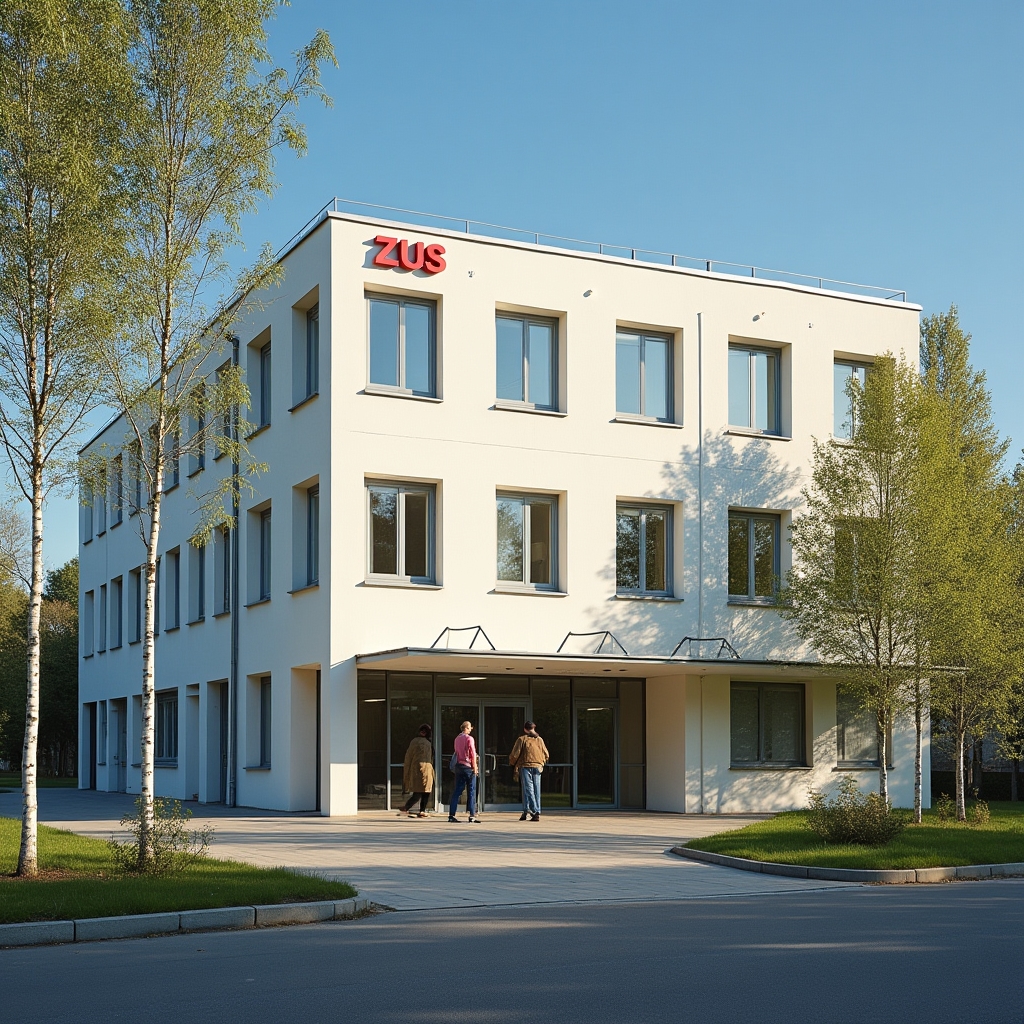 ZUS obligations
ZUS in the first two years
New entrepreneurs in Poland may qualify for ulga na start, a six-month exemption from social insurance contributions (excluding health). After that, preferential contributions apply for 24 months based on the national minimum wage, not your actual income. This significantly reduces your cost burden during the startup period.
Health insurance (składka zdrowotna) is always due from day one and depends on your chosen tax form. The rules changed significantly in 2022 and are periodically updated.
Read moreIssuing a faktura
A faktura is a Polish VAT invoice. You do not need an accountant to issue one. You need your NIP, client details, a sequential number, date, description of service, net amount, VAT rate, and gross amount. Many free tools and simple spreadsheets work fine for low-volume operations.
Read moreRyczałt explained
Ryczałt od przychodów ewidencjonowanych taxes your gross revenue at a flat rate determined by your business type. There is no deduction for costs. Rates range from 2% to 17% depending on PKD code. It suits businesses with low overhead and predictable revenue.
Read more Ryczałt rates vary by activity
When ryczałt makes sense
If your business activity falls under a low rate category and you have minimal deductible costs, ryczałt can result in lower effective tax than the progressive scale or flat 19% tax. Software developers, IT consultants, and translators often evaluate this option carefully. The trade-off: no cost deductions at all.
Read more
Registering a business in Poland takes one afternoon. Understanding what comes after takes longer. That gap is what this portal addresses.
From the editorial note, Noxihe
Government data. Plain language. No sales pitch.
Every piece of information here comes from ZUS, CEIDG, the Ministry of Finance, or the Polish Tax Authority. We translate bureaucratic language into something a first-time entrepreneur can actually use.
No advertising. No affiliate links. No tax advisory.
Based in Poznań
Our editorial office is in Poznań, one of Poland's most active startup cities. We stay close to the regulations and the people navigating them.
- Polska 15, Poznań, Poland
- +48 887 501 070
- [email protected]